PACientActiu is a way of looking at health, understanding your own progress and taking an active part in it, with tools that help you observe, record, understand and share useful information.
Observe
Paying attention to what changes.
Everyday health includes changes that can go unnoticed or be forgotten before an appointment: an isolated symptom, a change in sleep, a habit or the response to a treatment plan.
Observing does not mean monitoring everything or living on the lookout for every sensation. It means learning what may be relevant in each process and recognising it when it happens.
Record
Keeping what memory can lose.
Recording places each data point or episode in time and avoids relying only on what you remember on the day of the visit. The aim is not to collect information, but to keep what can help explain your progress.
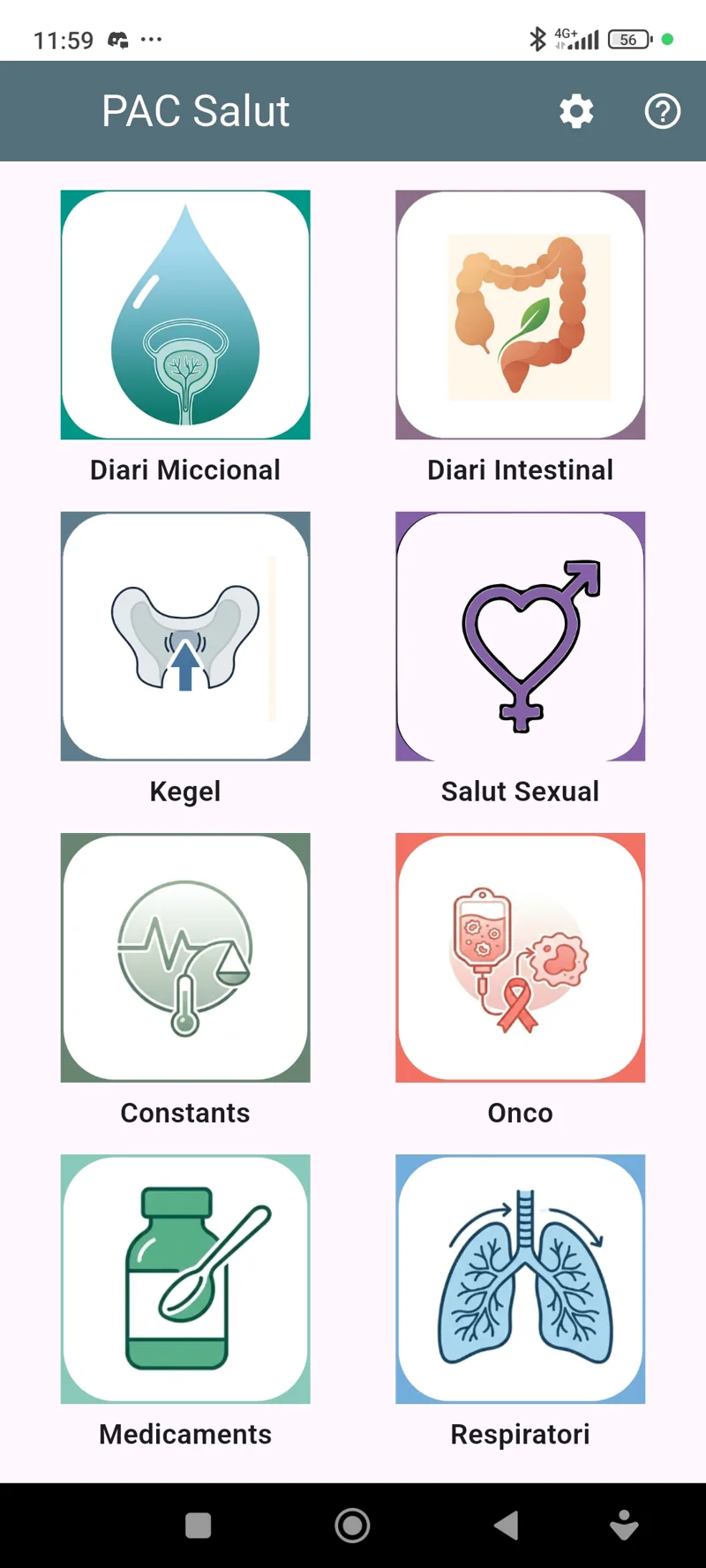
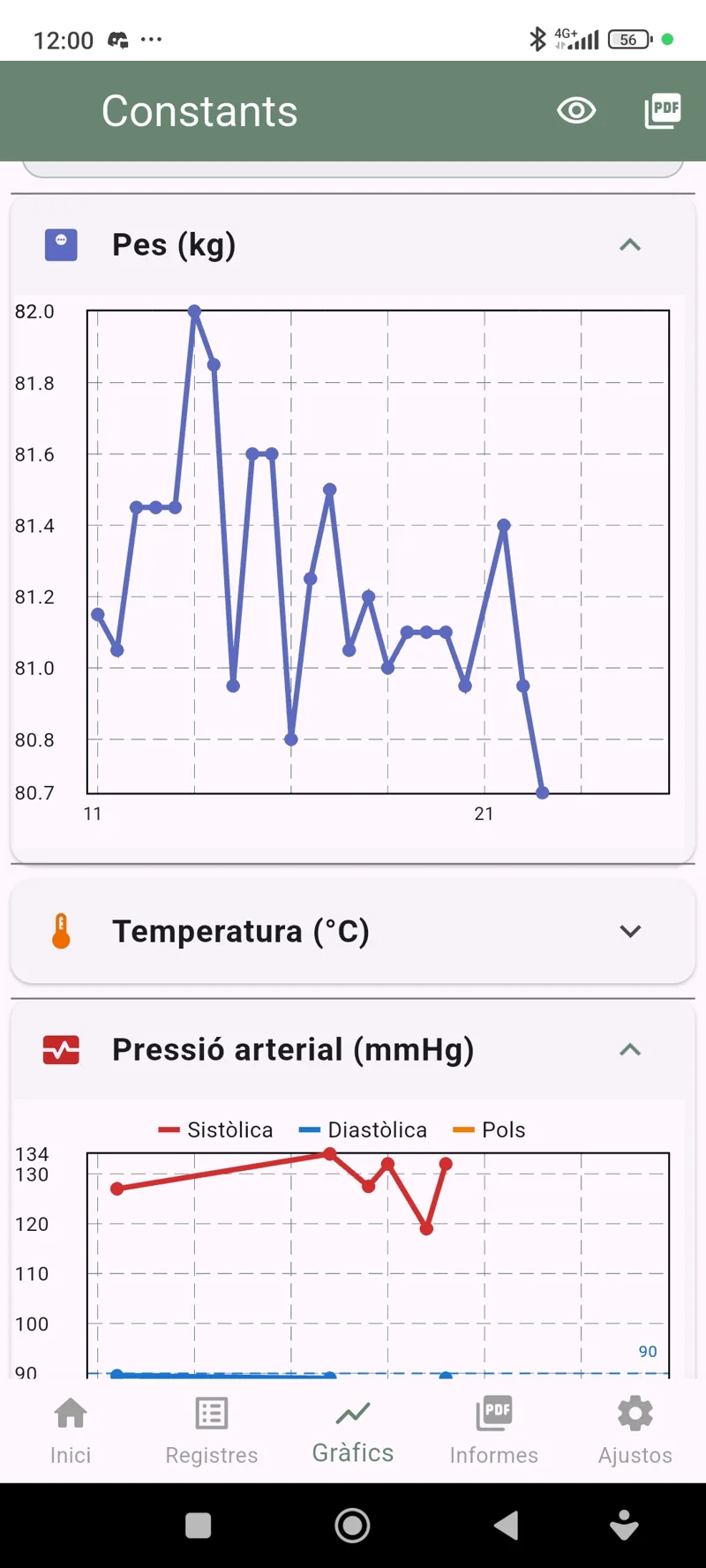
PAC-SALUT is the tool in the ecosystem that supports this personal record and lets you review it in a structured way.
A single data point describes one moment. When it is shown alongside other records and over a period of time, it can reveal a trend that is easier to understand.
Recognising a pattern or a possible relationship helps you ask questions. It does not prove a cause, nor is it a clinical interpretation.
Act
Taking part with more knowledge.
Understanding your own progress better helps you follow the recommendations you have been given, stick to them and recognise when it is time to ask for advice.
Active participation does not replace the professional or turn patients into their own doctors: it supports shared decisions with more information.
Share
Explaining better what has happened.
Appointments are short. Bringing an organised record of your progress can help you remember the important episodes and explain them more clearly.
Sharing must always be voluntary and under the person’s control, whether with a professional or with a carer or someone they trust.
Learn
Understanding to take better care of yourself.
Health education helps you tell apart a data point, a possible relationship, the available evidence and the interpretation that belongs to the professional.
Learning gives meaning to recording and leads to a practical, personal question: “What can I change to feel better?”